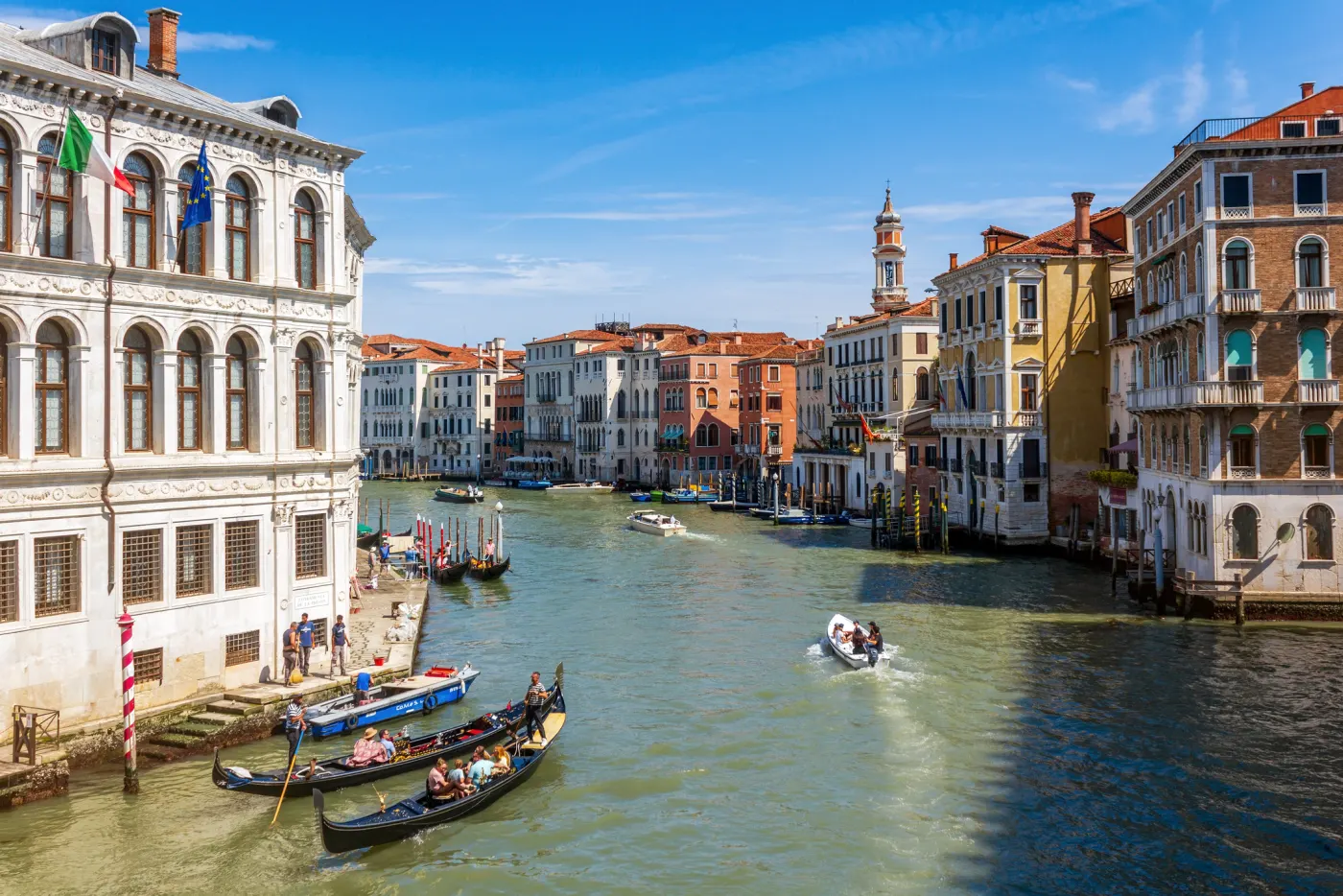
Venice is one of those cities that risks being consumed by its own legend. Millions of visitors flood Saint Mark’s Square each year, photograph the same bridges, and leave without ever truly understanding what makes this city exceptional. A first-time Venice itinerary built around authenticity demands a different approach — one that privileges silence over spectacle, depth over surface, and genuine discovery over choreographed tourism.
The real Venice breathes in its quieter sestieri, in the unhurried rhythm of a local market at dawn, in the amber light filtering through a centuries-old osteria. For the discerning traveller who refuses to be merely a tourist, this city conceals a different identity — one reserved for those who know where to look and, above all, how to arrive. An authentic Venice experience begins long before you set foot on the lagoon.
The Rialto Market and Cannaregio: where Venice still belongs to its people
Any meaningful Venice itinerary for first-time visitors should begin not at Saint Mark’s Square, but at the Rialto Market. Arrive before nine in the morning and you will find a different city — one that has nothing to prove and everything to offer. The Erberia overflows with seasonal produce arranged with almost theatrical precision, while the Pescheria presents the morning’s catch with the confident chaos of a place that has operated the same way for centuries. Vendors call out in Venetian dialect, locals negotiate with the ease of long familiarity, and the air carries the unmistakable scent of salt and fresh herbs.
From Rialto, moving north into Cannaregio reveals one of the city’s most layered neighbourhoods. The Jewish Ghetto — the oldest in the world — sits quietly within it, its narrow alleys lined with kosher bakeries, historic synagogues and the Museo Ebraico di Venezia. This is a place where history does not shout but whispers, demanding attention and rewarding patience.
Further along the fondamenta, the Torrefazione Cannaregio has been roasting coffee for locals long before specialty coffee became a global trend. Order a macchiato at the counter, stand as the Venetians do, and let the neighbourhood reveal itself at its own pace.
Dorsoduro and its hidden bacari: the art of the authentic Venetian aperitivo
Dorsoduro is where Venice exhales. Away from the concentrated pressure of the tourist circuit, this sestiere moves at a cadence dictated by its residents — students from the nearby university, artists, long-established families who have no intention of leaving. The canals here are quieter, the light more generous, and the sense of being somewhere genuinely alive is palpable.
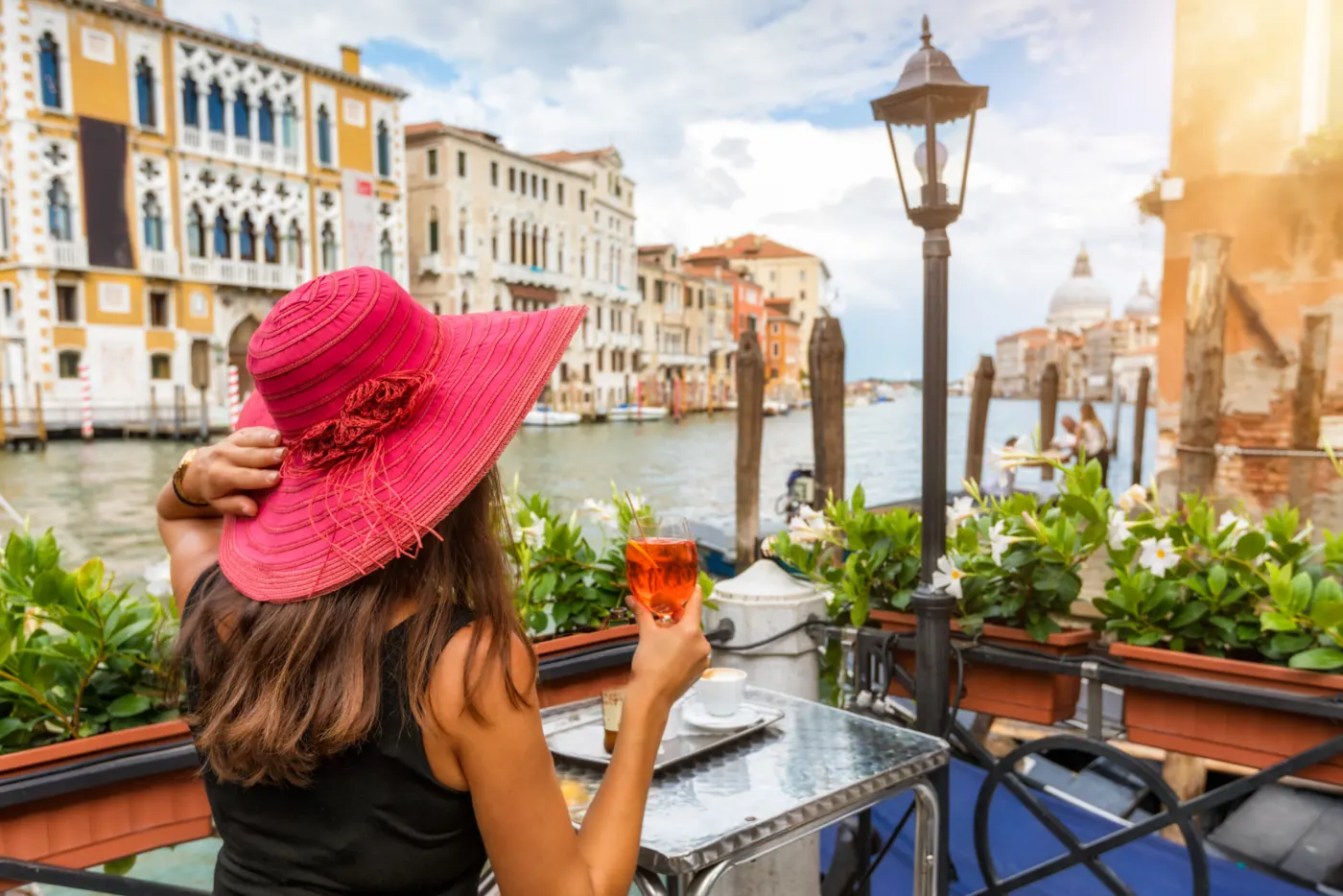
The bacaro culture of Dorsoduro is one of the most rewarding aspects of an authentic Venice visit. These traditional wine bars serve cicchetti — small, precise bites of cured fish, creamed salt cod on polenta, marinated vegetables — alongside an ombra of local white wine or a properly made Aperol spritz. This is not performance dining; it is the daily ritual of a city that still knows how to live well without spectacle.
Do not overlook the vegetable barge moored along one of the smaller canals. This floating market appears and disappears with the tides and the seasons.
Dorsoduro also houses the Peggy Guggenheim Collection and the Gallerie dell’Accademia, but even these institutions feel less overwhelming here, embedded as they are within a neighbourhood rather than isolated as monuments.
Lesser-known landmarks worth every step off the beaten path
Venice rewards those willing to consult a map only after getting lost. Several of its most remarkable sites remain largely overlooked precisely because they require a degree of curiosity that mass tourism rarely encourages. Consider the following:
- Palazzo Contarini del Bovolo — a Renaissance courtyard concealing an extraordinary external spiral staircase, offering elevated views over the rooftops without the crowds of the Campanile.
- Cripta di San Zaccaria — beneath this Renaissance church lies a partially flooded crypt where the tombs of eight doges rest in an atmosphere of striking stillness, light dancing across the water’s surface.
- Scuola Grande di San Rocco — an entire cycle of Tintoretto paintings covers the walls and ceilings of this confraternity hall, a masterwork of narrative painting that rivals any more celebrated gallery.
- Leaning campanili — the bell towers of San Giorgio dei Greci and Santo Stefano tilt visibly, silent monuments to Venice’s perpetual negotiation with its own foundations.
Each of these sites offers something the major attractions cannot: the rare sensation of encountering something remarkable in near-solitude.
The outer islands: Burano, San Michele and the lagoon’s quieter soul
The Venetian lagoon extends far beyond the main island, and its smaller territories hold some of the most distinctive experiences available to a first-time visitor. Burano, reached by vaporetto in under an hour, is justly celebrated for its vividly painted fishermen’s houses — each colour historically chosen so that returning sailors could identify their homes through the lagoon mist.
The island’s lacemaking tradition, still carried on by a handful of artisans in family-run workshops, represents one of the most refined craft legacies in Italian history. Burano operates at a pace that feels removed from the pressures of the main island, and a long lunch at one of its small trattorias is time exceptionally well spent.
San Michele, Venice’s island cemetery, offers a profoundly different kind of encounter. Enclosed by high brick walls and cypress trees, it is the final resting place of Igor Stravinsky, Sergei Diaghilev and Ezra Pound, among others. The silence here is absolute, the architecture monumental, and the experience of walking its avenues is one of the most unexpectedly moving things Venice has to offer.
How to move through Venice like a resident, not a visitor
The quality of any first-time Venice experience is determined less by what you see and more by how you move. Venice at dawn — particularly in the areas surrounding San Polo and Castello — belongs to a different register of beauty. The light on the water before the crowds arrive is something that cannot be replicated at midday, and the silence is not emptiness but presence.
Resist the instinct to navigate efficiently. The city’s calli and rii are designed, in a sense, to disorient — and that disorientation, embraced rather than resisted, is where the most genuine encounters occur.
Consider learning to row alla veneta, the traditional standing technique practised by Venetians for centuries, as an alternative to the standard gondola tour. Visit a mascareri — a mask-maker’s workshop — not to purchase, but to observe a craft that has evolved continuously since the medieval carnival tradition. Dine late, in an osteria without an English menu, and trust the judgement of whoever is serving.
Arriving and departing Venice with the same standard of care that you bring to the experience itself is equally important. The manner in which you enter the city sets the tone for everything that follows.
Arriving in Venice the way Venice deserves
An authentic first-time Venice experience is built on deliberate choices — where you go, when you arrive, how you move through the city. From exploring Cannaregio at dawn to discovering Dorsoduro’s hidden bacari, every element shapes your understanding of this singular city.
The way you arrive sets the tone for everything that follows. VLS Agency offers private luxury transfers to Venice by water taxi and water limousine, ensuring your first glimpse of the lagoon reflects the quality of the journey ahead.
Explore our luxury transfer services to Venice and begin your Venice experience with the same care you bring to discovering it.